
The activation of the African Continental Free Trade Area (AfCFTA) is frequently—and correctly—described as a historic milestone. By unifying 54 diverse economies into the world’s largest free trade area by number of countries, the agreement holds the potential to reshape global economic geography. The theoretical benefits are immense: the World Bank projects it could lift 30 million people out of extreme poverty and raise real income by 7% by 2035.+1
However, for stakeholders seeking trusted insights on Africa, it is crucial to move beyond the optimism of the signing ceremonies and analyze the mechanics of implementation. The AfCFTA is not a magic switch that instantly integrates the continent. It is a complex, multi-decade process of regulatory alignment and infrastructure development.
This analysis examines the current state of intra-African trade, acknowledges early progress, and argues that the ultimate success of this ambitious project hinges less on tariff reduction and more on tackling the formidable “soft” and “hard” infrastructure barriers that currently fragment the continent.
The Economic Imperative: Why Integration Matters
To understand the urgency of the AfCFTA, one must look at the current baseline of data. For decades, the defining characteristic of African trade has been its outward orientation. Africa largely exports raw commodities—oil, minerals, agricultural products—to the Global North and Asia, while importing finished goods.
The data paints a stark picture of fragmentation. Intra-African trade accounts for roughly 15-17% of total African exports. By comparison, intra-regional trade in Europe is nearly 70%, and in Asia, it hovers around 60%.
This lack of internal integration has profound economic consequences. When African nations do not trade with each other, they miss opportunities to build regional value chains. A commodity produced in one country is often shipped abroad for processing, only to be re-imported by a neighboring country as a finished product at a markup. The primary goal of the AfCFTA is to reverse this dynamic, encouraging industrialization by creating a viable internal market for “Made in Africa” value-added goods.+1
Moving from Theory to Practice
While the challenges are significant, it is inaccurate to dismiss the AfCFTA as mere political theatre. There has been tangible, albeit cautious, movement from policy framework to operational reality.
The most significant development has been the launch of the Guided Trade Initiative (GTI). The GTI serves as a pilot phase, allowing interested state parties whose tariff offers have been accepted to test the operational, institutional, and legal environment of the AfCFTA agreement.
Under this initiative, we have seen the first concrete examples of trading under the new preferences—such as Kenyan batteries and tea being exported to Ghana, or Rwandan coffee moving to West African markets. While the volumes are currently small, these transactions are vital proof-of-concept exercises. They are testing the customs procedures, the rules of origin certification, and the digital payment systems necessary for the agreement to function at scale.
The Critical Hurdles: Non-Tariff Barriers
If tariffs were the only obstacle to trade in Africa, the AfCFTA would be a relatively straightforward success. However, initial research indicates that tariff elimination is the easiest part of the equation. The true determinants of success are Non-Tariff Barriers (NTBs).
Investors and policymakers must closely monitor three structural hurdles:
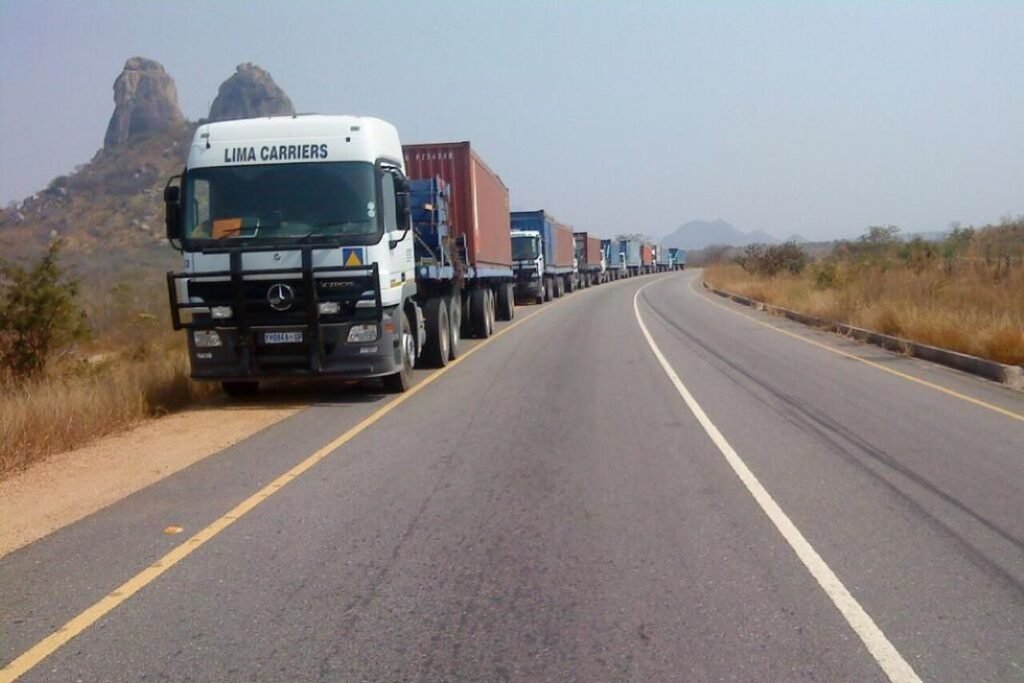
1. The Infrastructure Deficit: The cost of moving goods across African borders is among the highest in the world. The African Development Bank has noted the massive annual funding gap for infrastructure. Without modern railways, efficient ports, and reliable cross-border road networks, a tariff-free offering means little if the cost of transport remains prohibitive.+1
2. Rules of Origin (RoO) Complexity: Defining what constitutes a “Made in Africa” product is notoriously difficult in a globalized economy. If the rules are too lax, foreign powers will use African nations merely as transshipment hubs to avoid tariffs. If they are too strict, local industries dependent on some imported inputs won’t qualify. Navigating these rules currently requires significant bureaucratic capacity that many small and medium enterprises (SMEs) lack.
3. Digital Connectivity and Payments: Seamless trade requires seamless financial settlement. The development and adoption of the Pan-African Payment and Settlement System (PAPSS) is critical. PAPSS aims to allow trading in local currencies, reducing reliance on hard currencies like the US Dollar or Euro for intra-regional trade, thereby lowering transaction costs.
Conclusion: Informed Optimism
The AfCFTA is best viewed not as an event, but as a long-term structural adjustment of the entire continent’s economy.
For decision-makers looking at the African landscape, the insights drawn from the early days of this agreement suggest a need for “informed optimism.” The political will demonstrated by the swift ratification of the agreement is a powerful signal. The potential market size is undeniable.
However, capital allocation and policy decisions must be rooted in the reality on the ground. The real investment opportunities over the next decade may not just be in trade itself, but in the solutions—logistics technology, infrastructure development, and trade finance—that will make the AfCFTA work. The economic frontier is open, but it will belong to those who understand the complexities of navigating it.