

The evolving relationship between Somalia and Somaliland remains one of the most complex and sensitive political issues in the Horn of Africa, shaped by a shared history, prolonged conflict, and competing visions of statehood. While Somalia continues to advocate for territorial unity, Somaliland has pursued a distinct path of self-governance, democratic institution-building, and international recognition since 1991. Recent developments—particularly growing geopolitical interest in the region and Israel’s recognition of Somaliland—have added a new strategic dimension, drawing global attention to this long-standing dispute.
In this context, Abdalle Ahmed Mumin, a Somali journalist, provides a detailed account of historical tensions, current political dynamics, and the broader regional implications of these shifts. His insights explore not only internal Somali-Somaliland relations but also the role of external actors, security concerns in the Red Sea corridor, and the potential consequences of emerging alliances for regional stability.
Abdalle Ahmed Mumin
Somaliland was the first region or first country that became independent in 1960, 26th of June 1960, and the southern Somalia where I come from, became independent 1st of July 1960. That’s four or five days between the two regions. Somaliland then decided to join Somalia and form what we call the Somali Republic on the 1st of July 1960. From that time, Somaliland and Somalia were united as one country under the name Somali Republic, 1969, Somalia fall into a military dictatorship through a military coup in the capital Mogadishu, where the military took over power and they have been ruling the country until 1990 under a very strict military dictatorship. There were no media, free media, no democratic institutions, no elections, and that time Somaliland people were also oppressed and they felt the oppression under the Mogadishu regime. In 1988, Somaliland separatists started a movement against Somalia.
And Somali government at that time replied with a repressive military measures, targeting Somaliland by invading Somaliland cities, Hargeisa, Boorama, Berbera, all of these cities. So 1989, the war has become, Somalia used military bombing and heavy military operations in major parts of Somaliland. Estimates show that over 100,000 people were killed, over half a million people displaced from Somaliland into Ethiopia, a neighboring country. That’s part of the story.
Somalia became chaotic and the regime collapsed in 1991. That time Somaliland separated again and they formed their own government. In 2001, Somaliland started to have frequent democratic elections. The last one was November last year. 2024 was the last election where the current president, who was the opposition leader, became the president. From three decades, starting from 1991 onwards, Somalia never had a functioning government. All what we had was a chaotic rule under the militia, rival clans, and under all sorts of kinds of anarchy. What I’m talking about is the clan militias then transforming into pirates on the sea, and then we had the terrorist militia under the ICU, the Islamic Courts Union, and afterwards we had Al-Shabaab. All those years, Somalia was in full-blown civil war, while Somaliland was on the other side building democratic institutions.
What was the relation? The people from Somalia, because their country was at war, they were able to travel to Somaliland with free movement, no visa required, no restrictions, because they are still Somalis, they are regarded as Somalis. And people from both sides have linkages through marriage, through familial linkages on all sides of Somalia and Somaliland. So there was no issue on this thing.
2012, Somalia started negotiation with Somaliland, and this was the first time Somalia started to build some kind of political negotiation. And this negotiation were based on to agree some form of coexistence between the two parties, the Somalia and Somaliland. And this was led by Turkey. It was mediated by Turkey for the first time. So they gathered in Ankara, and the discussion was always Somaliland willing to separate.
So the target was a new unification, or for what, these negotiations? Absolutely no.There was no any kind of agreement at that time. That was the beginning.
The discussion was Somaliland willing to separate from Somalia and Somalia bringing the argument, can we settle some form of agreement? Somalia was always willing to form a reunification with Somaliland, but Somaliland was always saying, no, we don’t want reunification, we want separation, but can we have some agreement?
So there was no agreement. 2013-14, the discussions stopped and there was no other discussion since after that. Many things happened, then Somalia and Mogadishu started to become more aggressive on Somaliland by blocking aid, humanitarian aid, by blocking development projects from the international community, and most recently by blocking air movement through a new form of visas called e-visas, which is imposed by Somalia, and Somaliland was complaining that this was a restriction to its people, its citizens, people could not move around freely from Somaliland to other parts of the world, and there was a lot of challenges in the airports, in AdisAbaba, in London, in Dubai, all of these things.
Last year, 2024, there was another scenario where Ethiopia entered into a new MOU, the Memorandum of Understanding, with Somaliland, which, according to Somaliland, will give Somaliland some form of recognition by Ethiopia. Ethiopia is a neighboring country and has always had a history of building a very close relationship with Somaliland. That’s if you want to, you can check, like, the story of Ethiopia having a consular office in Hargeisa, which is permanent and has never been retracted or revoked, even though Somalia was always refusing to the idea of having Ethiopian consular general in Hargeisa. But the relationship between Somaliland and Ethiopia was always more positive in trade-wise, in political-wise, in security-wise, because Somaliland shares a long border with Ethiopia, and Ethiopia has an interest in Somalia in security-wise because of the terrorist groups in Somalia. So they have partnered with Ethiopia on that angle.
It’s very important and a strategic location for Ethiopia, but now we have seen that that strategicness is now becoming an issue. It’s now expanding. We have seen recent recognition by Israel. They become the first country to recognize Somalia.
How is the border between two countries?
No, no, no, it’s not, it’s not closed. So there are two borders. One is the air travel movement between Somalia and Somaliland. These are daily flights from Mogadishu, which is Ethiopian airline, or other local airlines. These are still open. And you have got another border crossing from Somalia on the northeast side of Somalia to Somaliland, which is to the northwest. And that is still open. The people are the same. They speak the same language. Both ways, they are Muslims, Sunni Muslims. There is no distinction. You cannot distinctly differentiate between Somaliland and Somali
Why Israel recognized Somaliland
So, according to the information available to us, as a journalist and as a researcher focusing on these issues, there are two main interests here. One is the interest of Somaliland, a new country that has been independent for over three decades that’s willing to partner with international powers and seeking for recognition. Last May, during the Somaliland Independence Day on 18th May, Somaliland president announced that he has written letters to 193 countries over the world asking them to recognize Somaliland. That is very public. Somaliland authorities have always been seeking international recognition, whether it is neighboring countries Ethiopia, Kenya, or internationally other countries. Israel became the first country to recognize Somaliland.
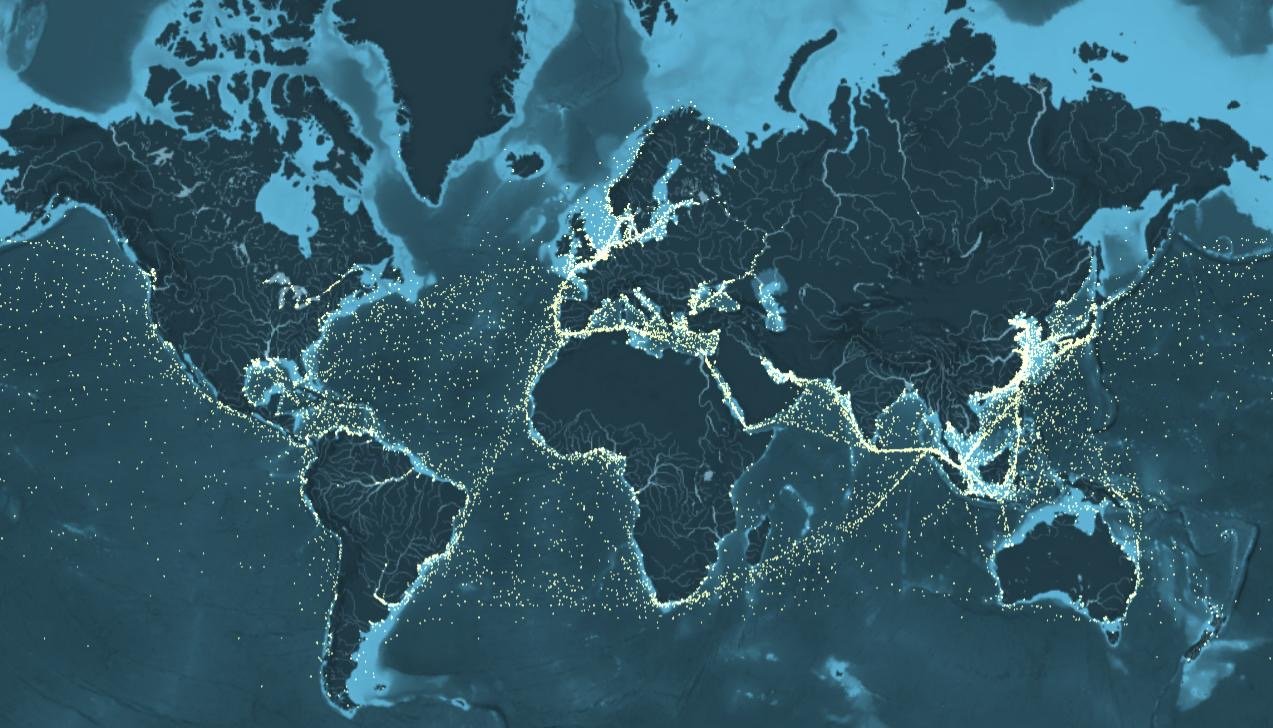
Israel is on the other side of the coin when it comes to the interest that we are now discussing about. According to the information we have, Israel has got an interest in the East Africa, especially in the Horn of Africa. Somaliland lies on the strategic location of the Babul Mendeb.Barbera Port has got a long coastal border on the Aden Sea. This is an important part of the world where about 12% to 15% of world maritime commodities are passing through.
This is the location where the Houthis, supported by Iran, have been threatening international ships passing through this important corridor. Israel has been also threatened by the Houthis. You remember Houthis launching missiles from Yemen into Israel, into Tel Aviv. And this has been a threat to Israel so many times. Israel has seen this strategic location on the world, which is called Somaliland, which is not recognized by any country. And they came for that. What are they looking for?
Number one, security. The security wise is that they may establish a military base to counter the Houthi militia attacks on Israel, on other parts of the world.
Number two, a strategic location of Somaliland. If Israel becomes the first country to set up a military base, it will give Israel the upper power, the upper hand to control the movement of the Bab el-Mandeb. And this will be a strategic political gain, a security gain for Israel. Not only for Israel, but also for the West, because Israel is for the West, as we understand.
Especially the United States government.And this is so important for them, controlling this maritime border.
Let’s come to the issue of relocating Palestinian refugees from Gaza to Somaliland. That is completely not existent. It’s not true. I have repeatedly asked Somalian officials and they have issued a statement about that. They have clearly indicated that they are not willing to accept any Palestinian refugees to come to Somaliland. That is very clear. They have made it clear. But Somalia, where I come from, is trying to use that as part of its objection to the Israeli recognition of these things, of the Somalilandrecognition. That’s very clear. That’s what I understand about this new recognition of Somalia.
Power projection in the region
So, there was a press conference, which is public, on the 6th of January, between the President of Somaliland, Abderrahman Erro and the Israeli Foreign Minister, Mr. Gideon Sa’ar. The discussion, according to the press release, was, number one, a partnership, a security and diplomatic and economic partnership between Somaliland and Israel. Israel will invest into Somaliland’s water infrastructure. Somaliland is facing a critical water shortage because of the drought, because of the humanitarian crisis that is recurrent in Somalia and Somaliland.
Hargeisa, the capital, faces water shortage, a repeated water shortages, because there is no enough supply of water to the people, to the community. Israel has developed one of the best water supplies in the world, and they have the expertise on that. They have now pledged to support Somaliland developing a water strategy and to improve its water supply and to feed its people through this expertise. And they said that they are going to invite Somalian expertise to be trained in Israel, and they will do that thing. That’s one.
The other thing is Israel has been treating recently Somaliland children with critical health issues, especially heart diseases who had undergone a life-saving surgery in Israel, up to 49 children have been treated in Israel hospitals, relocated back to Somaliland. That’s an extra, extra abnormal kind of support, which no one will do for anyone.
I know Somaliland is about 6 million people facing critical health situation. The health infrastructure in Somalia is very poor. The water supply is very poor. There is a humanitarian crisis. They needed someone to intervene, someone to help, a partner that’s willing to support. That’s one thing. The other thing is that Israel will, according to the statement, support Somaliland, develop its security, improve its security because of the threats they are facing. The threat is not only Somalia, but also the security threat is coming from Houthi in Yemen, the terrorist group is.
Somaliland is staying, is living, sleeping on a strategic location with all corners facing the threats and dangers. So they need their strategy, their improvement on the security. That’s also another part of the agreement. On the part of Israel, they will establish the embassy and they will bring their diplomatic team. They will be supporting in this thing. Also, above all, there is also agricultural sector. Israel has also expertise in agriculture. Somaliland has a large part of agriculture, which was not well-developed, and they need this kind of training and expertise to be brought by Israel and trained there on these things.
So, above all, I think this is a good deal for both of them. Israel will benefit from the security strategy, security partnership. They will be close to the Gulf of Aden. They will have the super hand to control a lot of things. But Somaliland also will be open to the world. For the first time, people will get visas on Somaliland passport, and they can travel to Israel.
Is there any activities of Israel?
According to the statement, Israel has been operating in Somaliland for the past few years in terms of assisting children to be airlifted to Israel for treatment, and the other projects. Remember, the recognition that was announced on December 26th did not come overnight. This was something that they have been developing. This was a strategy they have been working. And different Israeli authorities and officials were, by the time, traveling between Hargeisa and Tel Aviv.
And I understand Somaliland president had also a meeting, just not January 6th, but also he had another previous meeting with Israeli foreign minister somewhere, maybe in Israel or in UAE, somewhere, I don’t know, but they had some kind of meeting with them. So this was an ongoing, developing relationship between the two, both sides, and it was going on. What we have seen recently is only just the announcement of the existence of the relationship, but the relationship was on for quite a number of years.
Any direct flight between Israel and Somaliland?
Not yet, but there is a plan for establishing a direct flight between Hargeisa and Tel Aviv. Maybe through Addis Ababa or maybe something likethat, but there is a plan for that. Currently, there are direct flights from Hargeisa to Addis Ababa, from Hargeisa to Djibouti, which was suspended last week, from Hargeisa to Dubai. There are certain direct flights now, but in the future we will be expecting more direct flights including one to Israel.
Possible diplomatic domino effect
There are a number of scenarios that are going on, and sometimes people are talking about countries or situations similar to Israeli recognition, but so far, according to the information I have, Ethiopia, UAE, and the United States, as well as the United Kingdom will follow suit in the recognition of Somaliland. If you have been following the recent General Assembly, the Security Council meeting last year, United States of America has announced that it was not objecting to Israelis’ right to recognize Somaliland. That’s a very clear announcement to greenlight the Somaliland recognition, but it’s only a matter of time until Washington declares recognition of Somaliland. It’s only a matter of time.
And why I say that? Because I come from the southern Somalia. Southern Somalia now is facing a critical situation. The terrorist group al-Shabaab is now closing on to Mogadishu, and they might be on the verge of capturing Somali capital, Mogadishu. If that happens, United States government will need to move out of Somalia to other parties, and that party will be Somaliland. And perhaps that could come with some form of recognition, at least some form of dealing with Somaliland. Ethiopia has always said that they are willing to recognize Somaliland, but they will not be the first country. That means they will be the second or the third. That’s what I’m expecting. United Arab Emirates, the same. So we are expecting a number of countries to follow suit in the near future.
Regional power responses
The possible scenario is there might be some ongoing objections that we will be witnessing in the coming months. But realistically, I don’t expect any major confrontations or security threats that will be going to happen in the region because of the Somaliland recognition. And I haven’t seen that one in the past. There might be some attempts of sabotage inside Somaliland, and we are hearing now that Somalia is trying to send militias to just make chaotic scenarios inside Somaliland.
But I hope Somaliland is much aware of that, of the risk, and they are prepared to confront and stabilize the region and never allow that these groups who are going to sabotage Somaliland stability will not get the chance and the opportunity to do so. In Turkey, Iran, Saudi Arabia, they can’t attack Somaliland because of the strategic location of Somaliland. The United States and the United Kingdom will not allow Saudi Arabia, Turkey, and other countries to invade or to do some military action against Somaliland.
Likewise, Ethiopia, which is a neighboring country, is a strategic partner in security-wise with Somaliland, and I believe that they will be able to defend and support Somaliland if increased other foreignpowers trying to invade Somaliland, but what I am hoping in general is that I’m not expecting a major security confrontation in the region. There will be only diplomatic talk, condemnations, media articles, all these things, but it will not necessarily arise on the ground.
Yemen’s shadow
The conflict in Yemen did not start yesterday. It has been ongoing for many years now. And Somaliland has proved to be stable and security was very much well without any major incident from the Houthis in Yemen. There have been Houthi missiles that have been fired from Yemen onto Tel Aviv. And this was through the Somali airspace. We have heard about that, including Somaliland. But there was no any Houthi infiltration or Houthi attacks on Somaliland or any major impact by the defloatment in Yemen onto Somaliland locally. I’m not expecting any major things to come here in the future
Al-Shabaab and security risks
We have seen statements from the Al-Shabaab terror group in Somalia. We have seen practice in Somaliland by the militant groups denouncing Israel and Somaliland on this recognition. Somaliland has in the past been stable and has prevented any terror infiltration into its land. And because of the people, not the authorities, because of the people, the Somaliland citizens were much alert, highly vigilant, and the will, the connection, and the support of the people on the Somaliland authorities has made difficult for Al-Shabaab and other terrorist groups to touch base in Somaliland.
And I don’t think Al-Shabaab will be able to infiltrate in Somaliland. Yes, there might be some attempts, like maybe hit and run attacks, which Al-Shabaab did in the past, or in Puntland, in other parts of Somalia, which were stable. There might be some kind of scenarios, like trying to create some kind of violence, something like that.
But I’m not expecting heavy Al-Shabaab presence in Somaliland. And why I say that is because of the support base of the citizens of Somaliland onto their government. People are peace-loving people. They don’t want any militia to come into their land. They are much aware of what’s going on in southern Somalia. And they have been very peaceful. They are highly vigilant. Now, they are also very proud of their recognition. And they want to protect that as a precious community.